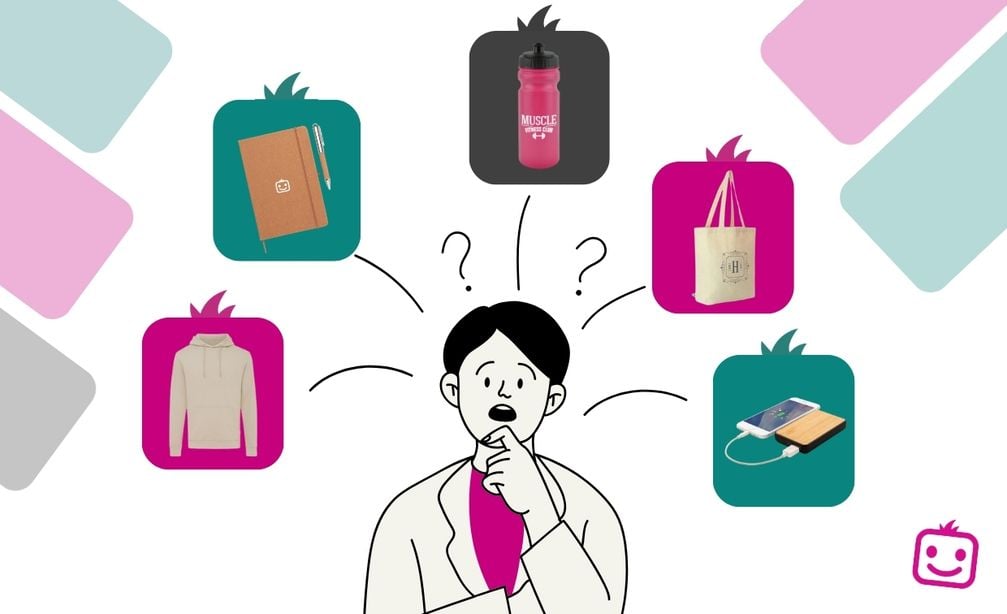
Sustainable Merchandise That People Actually Keep: The Smarter Choice for Corporate Brands


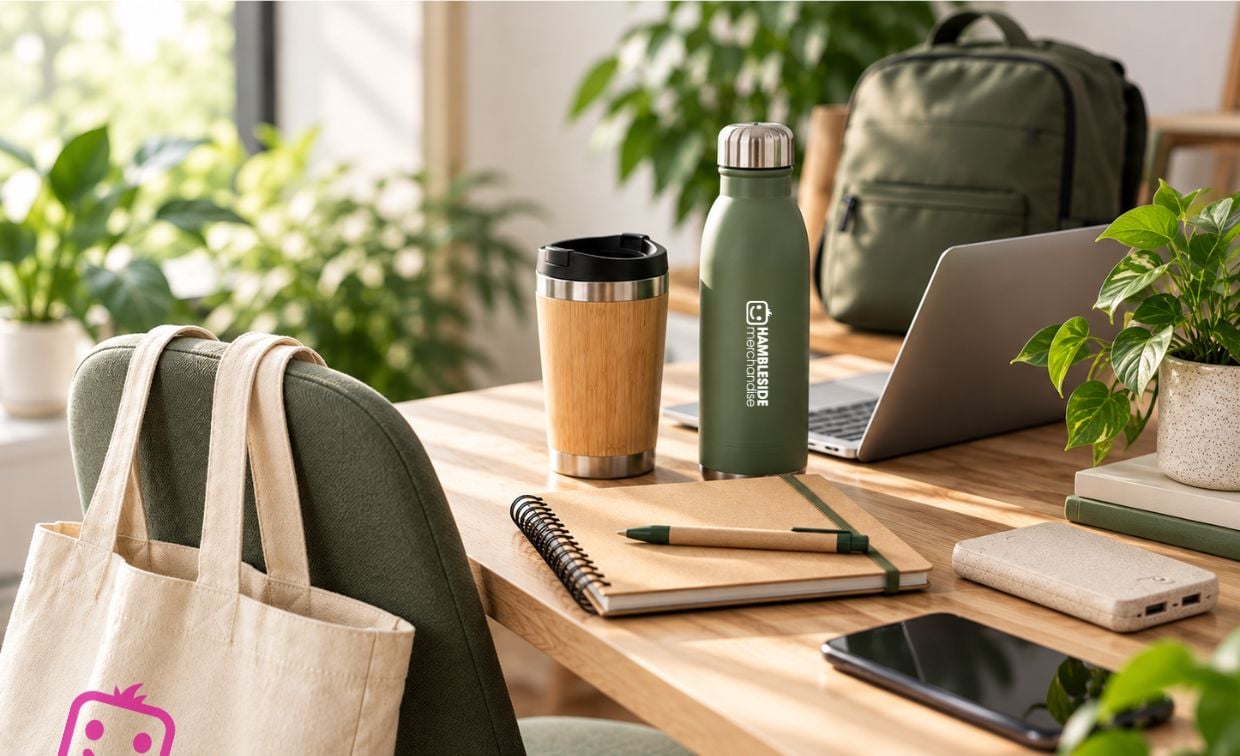
For many organisations, sustainability has moved beyond a corporate objective and become an expectation from employees, customers, investors, and stakeholders. The question is no longer whether branded merchandise should be sustainable, but whether it provides genuine value while supporting environmental goals.
Today the most successful merchandise programmes are focused on creating products that people genuinely use, keep, and appreciate. When a promotional product remains in use for months or years rather than days, its environmental footprint is spread over significantly more brand impressions and greater practical value.
For marketing teams, that means choosing merchandise that balances sustainability, quality, and usefulness.
Why "keepability" matters more than ever

A product made from recycled materials is a positive step, but sustainability doesn't stop with the material itself.
Think about the branded items that stay on desks, get carried to meetings, travel between offices, or become part of a daily routine. Reusable drinkware, quality notebooks, laptop accessories, premium workwear, and practical tech products continue to deliver value long after an event has finished.
The most sustainable promotional product is often the one that avoids becoming waste in the first place.
Before selecting merchandise, ask:
- Will this item be used regularly?
- Is the quality good enough to last?
- Does it solve a genuine problem for the recipient?
- Would someone choose to keep it even without the branding?
When the answer is yes, sustainability and marketing performance work together.
Sustainable merchandise and corporate ESG goals
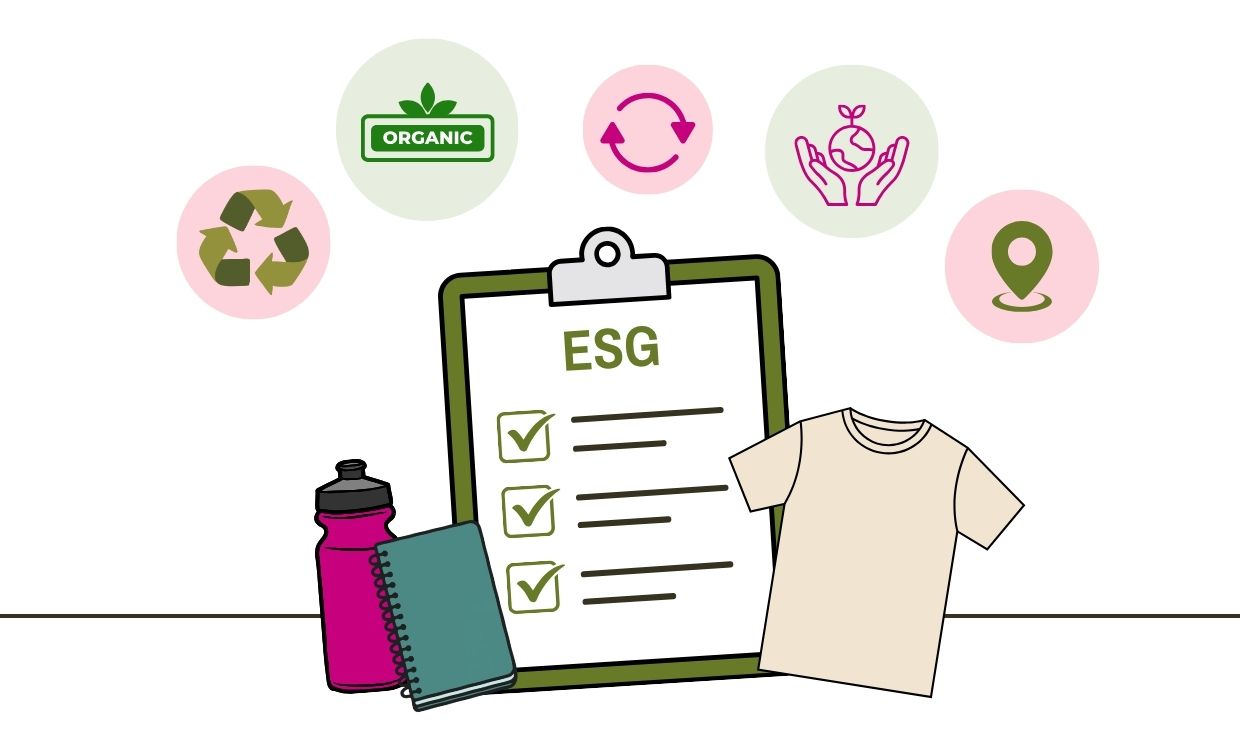
Many larger organisations now report against Environmental, Social and Governance (ESG) objectives. Merchandise can support these initiatives when products are selected thoughtfully.
Examples include:
- Products manufactured using recycled materials
- Organic cotton clothing and workwear
- Reusable alternatives to single-use items
- Products sourced through ethical supply chains
- Merchandise with recognised environmental certifications
- Locally sourced products that help reduce transportation impacts
For internal stakeholders, these choices demonstrate that sustainability commitments are being embedded into day-to-day business decisions rather than existing solely within annual reports.
The rise of purpose-driven employee merchandise
Corporate merchandise is no longer reserved for exhibitions and external marketing campaigns.
Many organisations now invest in sustainable branded products for:
- Employee onboarding packs
- Internal engagement programmes
- Recognition and reward schemes
- Wellbeing initiatives
- Company events and conferences
- Recruitment campaigns
Employees increasingly value useful, well-designed products that align with the organisation's values. A welcome pack containing a recycled notebook, reusable bottle, organic cotton apparel, and responsibly sourced accessories creates a stronger first impression than a collection of disposable giveaways.
Sustainable merchandise can help communicate culture as effectively as it communicates brand.
Sustainable products that continue to deliver results
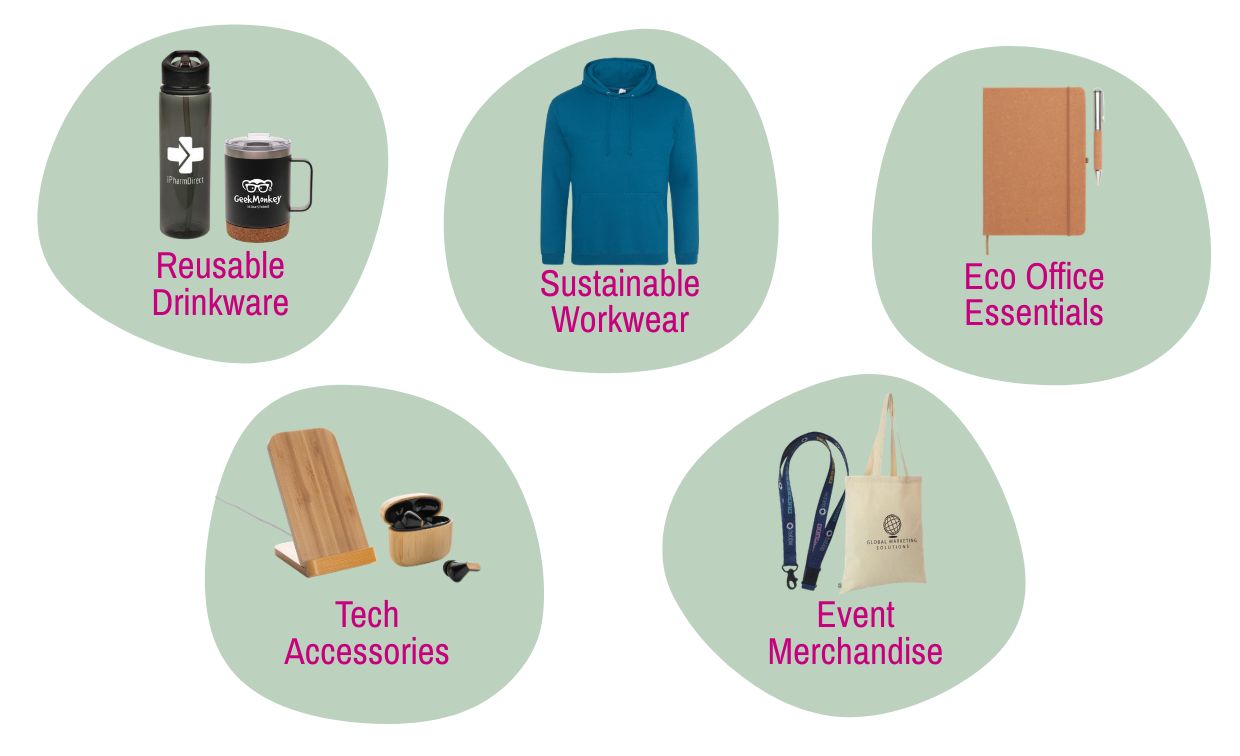
Some of the most popular categories currently include:
Reusable drinkware
High-quality bottles, travel mugs, and tumblers encourage daily use while reducing reliance on disposable packaging.
Sustainable workwear
Organic cotton, recycled polyester, and responsibly sourced garments provide long-lasting visibility while supporting environmental commitments.
Eco office essentials
Notebooks, pens, desk accessories, and stationery made from recycled paper, bamboo, cork, or FSC-certified materials remain highly effective in workplace environments.
Tech accessories
Wireless chargers, cables, laptop stands, and desk organisers offer practical value and typically remain in use for extended periods. Many of these items are increasingly available made from recycled materials or with bamboo casings to reduce the use of virgin plastics.
Event merchandise
Conference attendees increasingly expect useful, sustainable alternatives to traditional single-use giveaways.
Sustainability isn't about doing everything perfectly
One of the biggest misconceptions is that organisations need to replace every promotional product with an eco alternative overnight.
Often, the biggest impact comes from making smarter choices when existing merchandise programmes are refreshed.
Rather than ordering larger quantities of lower-value items, many organisations are choosing fewer, better products that recipients genuinely appreciate.
This approach typically supports sustainability objectives, improves recipient engagement, and creates a stronger perception of brand quality.
Choosing merchandise that reflects your values
Every branded product tells a story about your organisation. The question is whether that story communicates short-term visibility or long-term value.
For today's marketing and brand leaders, sustainable merchandise is no longer simply about selecting products made from recycled materials. It is about choosing merchandise that people want to keep, use, and remember.
When sustainability, quality, usefulness, and brand purpose come together, promotional merchandise becomes far more than a giveaway. It becomes a tangible expression of your organisation's values.
About the Author